“Fancy thinking the Beast was something you could hunt and kill.. You knew, didn’t you? I’m part of you? I’m the reason why… things are what they are.”
Ba’alzevuv

“The reading of all good books is like conversation with the finest men of past centuries.” — René Descartes
“Fancy thinking the Beast was something you could hunt and kill.. You knew, didn’t you? I’m part of you? I’m the reason why… things are what they are.”
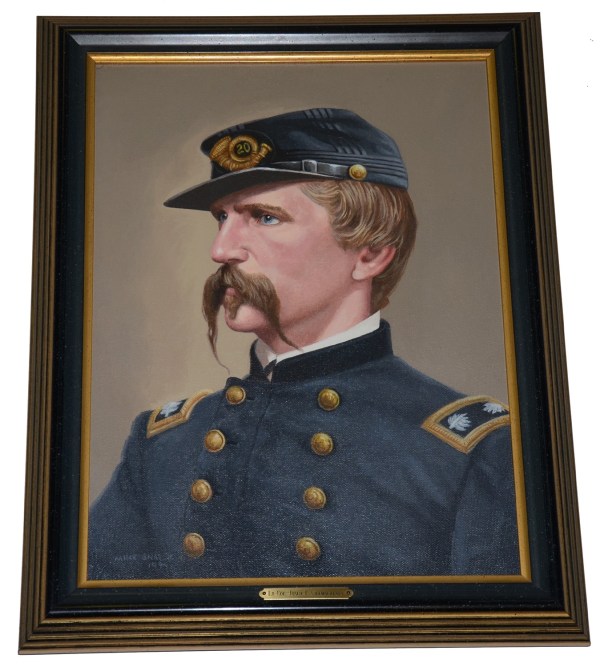
As my year of studying the Civil War draws to a close, I wanted to share my thoughts on my favorite figure: Joshua Lawrence Chamberlain. My first encounter with Chamberlain was through a reference in Ken Burns' PBS documentary series. Although not a primary figure, his contributions and background immediately appealed to me. He was... Continue Reading →

This year I decided to fill in a gaping gap in my liberal arts knowledge of antiquity by committing to sitting down and reading one of the most influential works in the Western cannon – Homer’s Iliad. The Iliad is a collection of books in the style of a poem; it contains 24 books arranged... Continue Reading →

Michael, Cal and David discuss the books read over 2023.

The Plague, a novel published by Albert Camus in 1947, was my first introduction to a subset of existentialist thought popularized by Camus known as absurdism. While much of the content of absurdism was covered in the earlier post on The Stranger, I did want to begin this post by familiarizing the reader with a... Continue Reading →
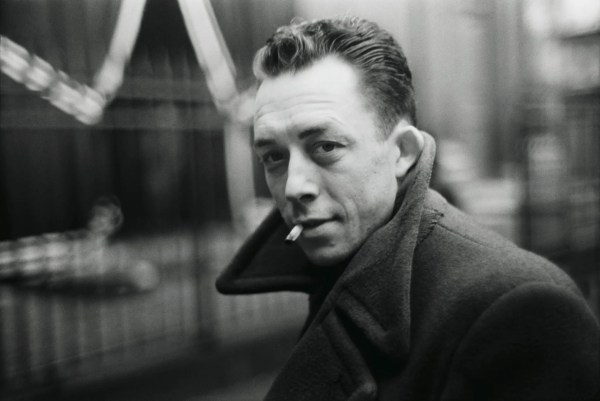
"I looked up at the mass of signs and stars in the night sky and laid myself open for the first time to the benign indifference of the world."

The Passenger / Stella Maris Discussion Michael and David discuss Cormac McCarthy's new books: The Passenger and Stella Maris. This will be the last McCarthy review for the foreseeable future. The Passenger description (from publisher): 1980, PASS CHRISTIAN, MISSISSIPPI: It is three in the morning when Bobby Western zips the jacket of his wet suit... Continue Reading →
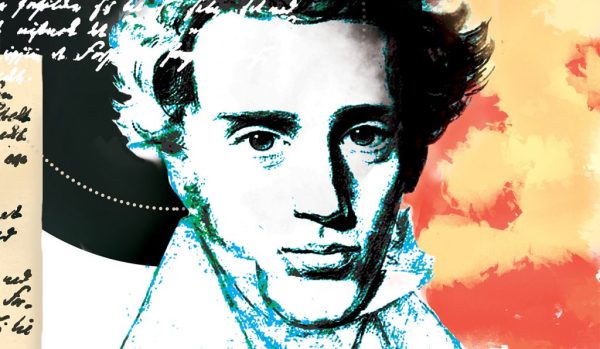
“To forget – all men want to do that… but forgetting is an art that must be practiced beforehand. Being able to forget depends always on how one remembers, but how one remembers depends always on how one experiences reality. The person who sticks fast in it with the momentum of hope will remember in a way that makes him unable to forget.”

Cal and I discuss the books we took down in 2022 and reflect on our lives as our twenties draw to a close. We also discuss goals for 2023. Thank you to all who have supported us over the years, we look forward to another year and opportunity to learn. Cal Wilkerson and Michael McPhail... Continue Reading →
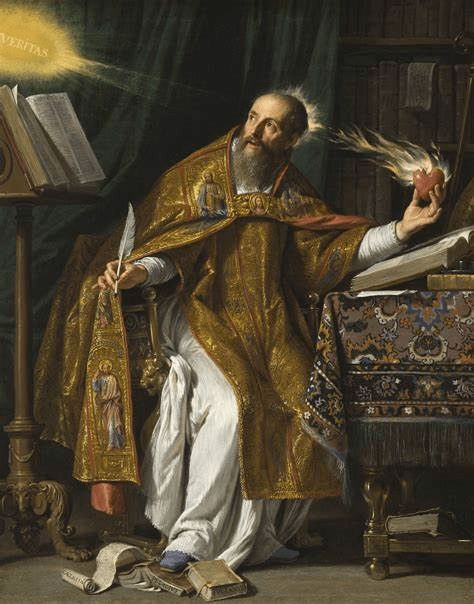
“Can it be that there was something evil in the matter from which he made the universe? When he shaped this matter and fitted it to do his purpose, did he leave in it some part which he did not convert to good? But why should he have done this? Are we to believe that, although he is omnipotent, he had not the power to convert the whole of this matter to good and change it so that no evil remained in it? Why, indeed, did he will to make anything of it at all? Why did he not instead, by this same omnipotence, destroy it utterly and entirely? Could it have existed against his will? If it had existed from eternity, why did he allow it to exist in that state through the infinite ages of the past and then, after so long a time, decide to make something of it?
 Brains and Brawn