Or

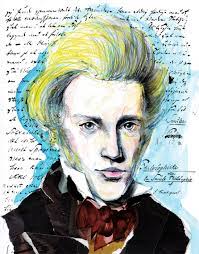
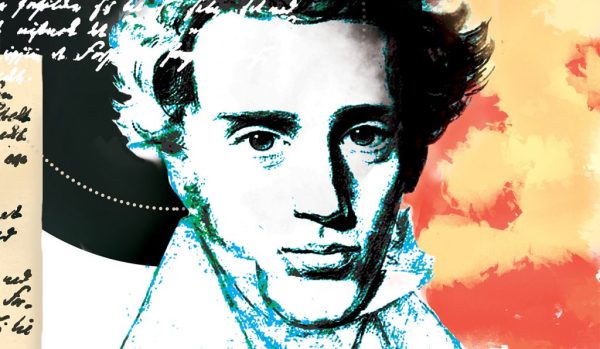
N.B. The first section of Kierkegaard’s 1843 publication, Either/Or, is covered in a prior post titled “A Fragment of Life”, dated 01/20/2023. We move now to the second, and by far more uplifting, portion of Kierkegaard’s first great work. The scene is set to progress from the aesthetic to the ethical stage when our pseudonymous... Continue Reading →

Dive Into the Depths

The Passenger / Stella Maris Discussion Michael and David discuss Cormac McCarthy's new books: The Passenger and Stella Maris. This will be the last McCarthy review for the foreseeable future. The Passenger description (from publisher): 1980, PASS CHRISTIAN, MISSISSIPPI: It is three in the morning when Bobby Western zips the jacket of his wet suit... Continue Reading →

A Fragment of Life

“To forget – all men want to do that… but forgetting is an art that must be practiced beforehand. Being able to forget depends always on how one remembers, but how one remembers depends always on how one experiences reality. The person who sticks fast in it with the momentum of hope will remember in a way that makes him unable to forget.”

Omne Solum Forti Patria Est

In 1803 President Thomas Jefferson selected his personal secretary, Captain Meriwether Lewis, to lead a voyage up the Missouri River to the Rockies, over the mountains, down the Columbia River to the Pacific Ocean, and back. Lewis and his partner, Captain William Clark, made the first map of the trans-Mississippi West, provided invaluable scientific data on the flora and fauna of the Louisiana Purchase territory, and established the American claim to Oregon, Washington, and Idaho.

Time and Memory

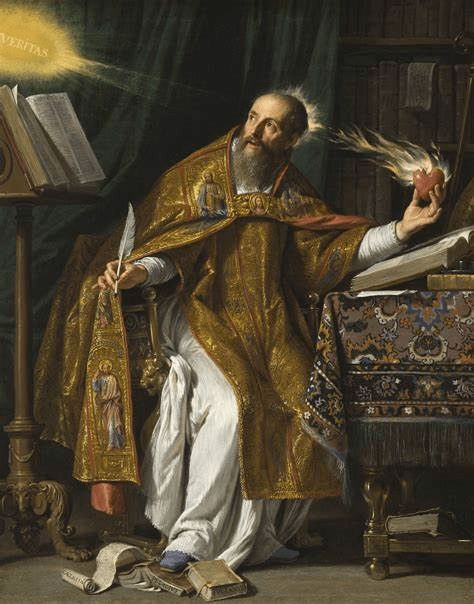
“Can it be that there was something evil in the matter from which he made the universe? When he shaped this matter and fitted it to do his purpose, did he leave in it some part which he did not convert to good? But why should he have done this? Are we to believe that, although he is omnipotent, he had not the power to convert the whole of this matter to good and change it so that no evil remained in it? Why, indeed, did he will to make anything of it at all? Why did he not instead, by this same omnipotence, destroy it utterly and entirely? Could it have existed against his will? If it had existed from eternity, why did he allow it to exist in that state through the infinite ages of the past and then, after so long a time, decide to make something of it?

Carry the Fire

They have nothing; just a pistol to defend themselves against the lawless bands that stalk the road, the clothes they are wearing, a cart of scavenged food—and each other.

Et In Arcadia Ego

"It makes no difference what men think of war, he said the judge. War endures. As well ask men what they think of stone. War was always here. Before man was, war waited for him. The ultimate trade awaiting its ultimate practitioner. That is the way it was and will be. That way and not some other way."

About Face Discussion

Whether he was fifteen years old or forty, David Hackworth devoted his life to the US Army and quickly became a living legend. However, he appeared on TV in 1971 to decry the doomed war effort in Vietnam. From Korea to Berlin and the Cuban missile crisis to Vietnam, Hackworth’s story is that of an exemplary patriot, played against the backdrop of the changing fortunes of America and the US military. This memoir is the stunning indictment of the Pentagon’s fundamental misunderstanding of the Vietnam conflict and of the bureaucracy of self-interest that fueled the war. With About Face, Hackworth has written what many Vietnam veterans have called the most important book of their generation and presents a vivid and powerful portrait of patriotism.

A Good Café: Hemingway in Paris

Paris in the 1920s sounded like such a picturesque place with cafés scattered around, the Luxembourg Garden, wine by the bottle, various writers such as Scott Fitzgerald making it their home at the time and the historical buildings in the backdrop created an ecosphere of creativity for the young Mr. Hemingway.

Create a website or blog at WordPress.com

Up ↑