
I have been deeply immersed in the historical fiction works of Jeff Shaara, particularly his Civil War series. His storytelling, which builds upon the legacy of his father Michael Shaara’s masterpiece, The Killer Angels, has captivated me. Jeff Shaara’s novels, Gods and Generals and The Last Full Measure, are not just continuations but profound explorations of the Civil War’s pivotal moments and figures.
What I find most compelling about Jeff Shaara’s writing is his ability to breathe life into historical figures, making them feel incredibly real and relatable. Through his vivid portrayals, I feel as though I’ve come to know leaders like Stonewall Jackson, Winfield Scott Hancock, James Longstreet, Ulysses S. Grant, Robert E. Lee, and Joshua Lawrence Chamberlain. His meticulous attention to detail and deep respect for these characters shine through, offering readers a nuanced understanding of their personalities and motivations.
Shaara’s narrative takes us through the harrowing battles of Sharpsburg, Fredericksburg, Chancellorsville, and Gettysburg, painting a visceral picture of the conflict’s brutality and the soldiers’ courage. He doesn’t stop there; his storytelling extends to Sherman’s march through Georgia and culminates in the poignant scene at Appomattox Court House, where the war’s end is brought to life with emotional depth.
This post is a tribute to Jeff Shaara’s remarkable ability to capture the essence of the Civil War and its leaders. His works have not only educated me but also deeply moved me, and I look forward to delving further into his literary contributions.
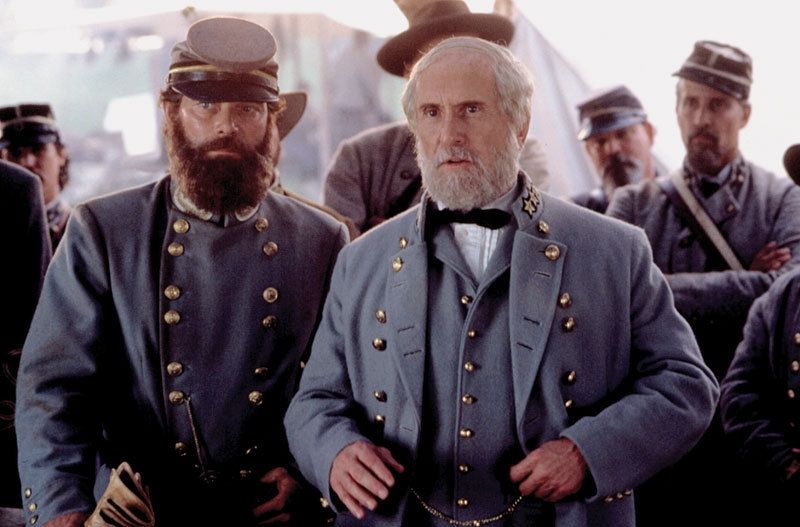
To begin with, Gods and Generals was a movie I grew up watching. A grandfather-like figure in my life loved the great Confederate leaders of the war, such as Stonewall Jackson and Robert E. Lee. The movie, of course, focuses on them in detail, but I found the book to be more even-handed, perhaps more than I realized.
Jeff Shaara’s writing brings the reader close to the fireside of Professor Joshua Lawrence Chamberlain as he wrestles with his calling and future role in the war. The book provides a detailed image of the early victories of Robert E. Lee and his solitary musings in his tent. It humanizes figures like the lovable J.E.B. Stuart, who was like a son to Lee, and the curious Stonewall Jackson, who often dwelled on thoughts of his young wife and newborn child. We see the master stroke of genius that Chancellorsville turned out to be, and we see the “Old Warhorse” James Longstreet presented as a reflective, brooding man carrying the loss of his children with him daily.
In addition to these Confederate leaders, Shaara’s work also vividly portrays several key Union figures and battles. For instance, we get to know Winfield Scott Hancock, whose leadership and bravery are highlighted throughout the narrative. His sense of duty and honor underscores his critical role in the war.
The narrative also takes us through other significant battles depicted in Gods and Generals. The Battle of Fredericksburg is shown in all its tragic futility, with the Union forces suffering devastating losses. The Battle of Antietam, known as the bloodiest single-day battle in American history, is depicted with harrowing detail, emphasizing the immense human cost of the conflict.
These portraits and battles are not just historical events but are brought to life through Shaara’s meticulous research and storytelling. His ability to humanize these figures and depict their struggles and triumphs makes his work a profound exploration of the Civil War.
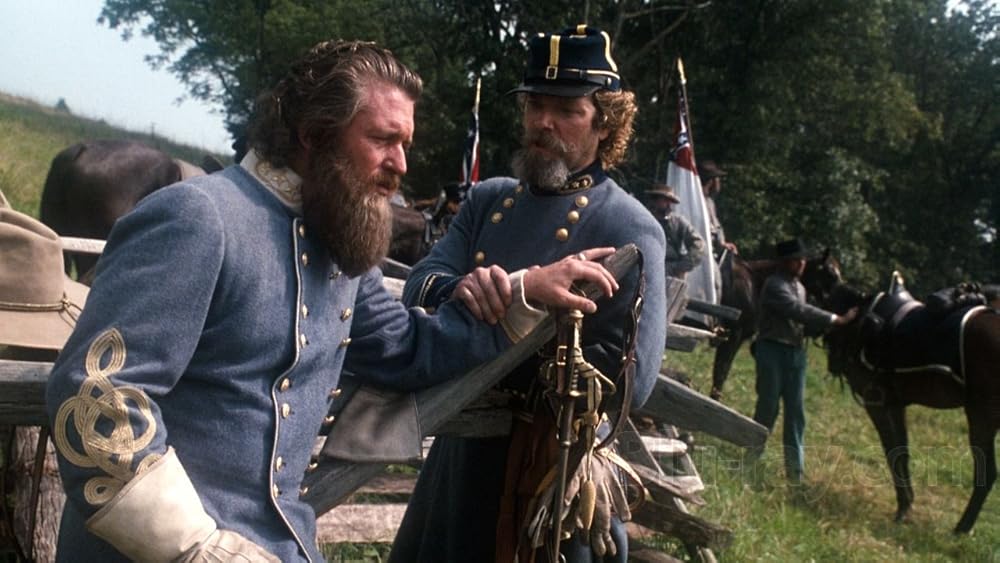
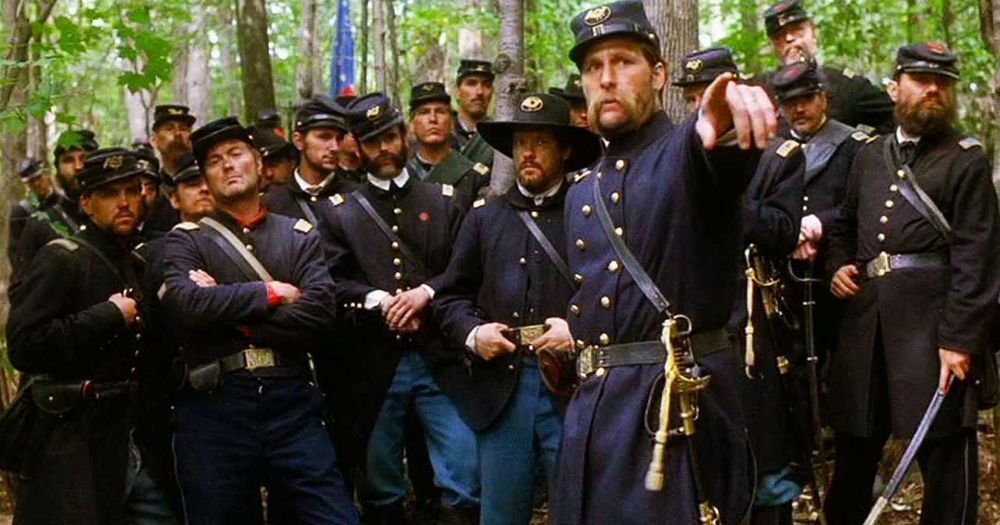
In addition to Gods and Generals, The Killer Angels is where it all started with his father Michael Shaara’s masterpiece. This novel also inspired my current favorite war movie, Gettysburg. Michael Shaara published the Pulitzer Prize-winning novel in 1974. While it certainly was not the first historical fiction novel published, it could be called genre-defining in the modern sense.
The book is set during the highest stakes portion of the war, 1863. If you know anything about the Civil War, you know many key battles took place, especially between the Army of Northern Virginia and the Army of the Potomac. The Killer Angels focuses on the Battle of Gettysburg, one of the most crucial and bloodiest battles of the war. Shaara’s narrative spans the three days of intense fighting, from July 1 to July 3, 1863, providing a detailed and humanizing portrayal of the commanders and soldiers involved.
The novel is renowned for its deep characterizations and vivid descriptions of the battle. It brings to life figures such as General Robert E. Lee, who is depicted as a dignified and determined leader facing immense pressure. General James Longstreet is portrayed as a brooding, reflective strategist who often disagrees with Lee’s tactics but remains loyal. On the Union side, we see characters like Colonel Joshua Lawrence Chamberlain, whose bravery and leadership at Little Round Top become a focal point of the story. Chamberlain’s internal struggles and his commitment to the Union cause are poignantly depicted, making him one of the most memorable characters in the novel.
Shaara’s meticulous research and compelling storytelling make The Killer Angels a profound exploration of the Battle of Gettysburg. The novel delves into the motivations, fears, and hopes of the men who fought there, providing a nuanced understanding of the conflict. It captures the chaos and carnage of the battlefield, the strategic decisions that shaped the outcome, and the personal sacrifices made by those involved.
The impact of The Killer Angels on the historical fiction genre is significant. It set a new standard for historical accuracy and narrative depth, influencing countless other works in the genre. The novel’s success also helped to popularize historical fiction, demonstrating that it could be both educational and deeply engaging. Its influence extends beyond literature; the 1993 film adaptation, Gettysburg, brought the story to an even wider audience and remains a beloved depiction of the battle.
The Killer Angels is a genre-defining work that offers a vivid and humanizing portrayal of one of the most pivotal battles in American history. Its impact on historical fiction and its enduring popularity are testaments to Michael Shaara’s masterful storytelling and deep understanding of the Civil War.
The Last Full Measure by Jeff Shaara focuses on the final years of the American Civil War, specifically from 1864 to 1865, detailing the events and battles that led to the war’s conclusion. The novel covers key events such as the Overland Campaign, the Siege of Petersburg, Sherman’s March to the Sea, and the Appomattox Campaign. These battles are depicted with intense combat and high casualties, reflecting the relentless strategies employed by both sides.
On the Union side, Ulysses S. Grant is portrayed as a determined and strategic leader, whose relentless pressure on Confederate forces is pivotal to the Union’s success. William Tecumseh Sherman is depicted as a fierce and innovative general, whose March to the Sea exemplifies the strategy of total war. Joshua Lawrence Chamberlain, a hero from previous battles, continues to be portrayed as a brave and honorable leader, grappling with the immense human cost of the conflict.
On the Confederate side, Robert E. Lee is shown as a dignified and resolute commander, facing overwhelming odds with grace and determination. James Longstreet, Lee’s trusted lieutenant, is depicted as a reflective and loyal strategist, burdened by the losses and hardships of war. The novel also humanizes other key figures, such as John B. Gordon and A.P. Hill, highlighting their personal struggles and leadership challenges.
Shaara’s narrative provides a detailed and humanizing portrayal of these historical figures, exploring their leadership, strategies, and personal struggles as they navigate the final, decisive moments of the Civil War. The book captures the intensity and complexity of the war’s final phase, offering a compelling conclusion to the trilogy and a profound exploration of the conflict’s impact on the nation and its people.
In The Last Full Measure, Jeff Shaara presents the surrender scene at Appomattox with profound emotional depth and historical accuracy. The narrative captures the gravity of the moment on April 9, 1865, when General Robert E. Lee met with General Ulysses S. Grant at the McLean House in Appomattox Court House, Virginia. Shaara’s portrayal emphasizes the respect and solemnity of the occasion, highlighting the dignified conduct of both leaders.
Lee is depicted as a stoic and honorable figure, accepting the inevitable with grace. His decision to surrender is shown as a painful but necessary step to prevent further bloodshed. Grant, on the other hand, is portrayed as magnanimous in victory, offering generous terms to the Confederate soldiers. He allows them to return home with their horses and personal sidearms, a gesture that underscores his desire for reconciliation and healing.
The scene is imbued with a sense of finality and reflection. Shaara describes the quiet, almost surreal atmosphere as the two generals discuss the terms of surrender. The narrative conveys the mixed emotions of relief, sorrow, and respect that permeate the room. The soldiers on both sides, who have endured years of brutal conflict, are depicted as weary but hopeful for the future.
Shaara’s meticulous attention to detail brings the scene to life, from the physical setting of the McLean House to the expressions and body language of Lee and Grant. The surrender at Appomattox is presented not just as a military conclusion but as a poignant moment of reconciliation and the beginning of the nation’s healing process. This powerful depiction serves as a fitting conclusion to the trilogy, encapsulating the themes of sacrifice, honor, and the enduring human spirit.
The Shaaras’ impact on Civil War literature is profound and enduring. Michael Shaara’s The Killer Angels set a new standard for historical fiction with its deep characterizations and vivid depictions of the Battle of Gettysburg. Jeff Shaara continued this legacy with his own works, such as Gods and Generals and The Last Full Measure, providing readers with a comprehensive and humanizing view of the Civil War. Their novels have not only educated and engaged countless readers but also inspired a renewed interest in this pivotal period of American history.
Looking ahead, I am excited to delve into Jeff Shaara’s Western Theater trilogy, which includes A Blaze of Glory, A Chain of Thunder, The Smoke at Dawn, and The Fateful Lightning. These books focus on the Western Theater of the Civil War, covering significant battles and campaigns such as the Battle of Shiloh, the Siege of Vicksburg, and Sherman’s March to the Sea. Shaara’s meticulous research and compelling storytelling promise to bring these events to life, offering new insights into the strategies, struggles, and triumphs of the war.
In conclusion, the works of Michael and Jeff Shaara have made a lasting impact on historical fiction, particularly in their portrayal of the Civil War. Their ability to humanize historical figures and depict the complexities of war with such depth and accuracy is truly remarkable. I look forward to exploring more of Jeff Shaara’s novels and continuing to be inspired by his masterful storytelling.
Written by Michael McPhail


 Brains and Brawn