
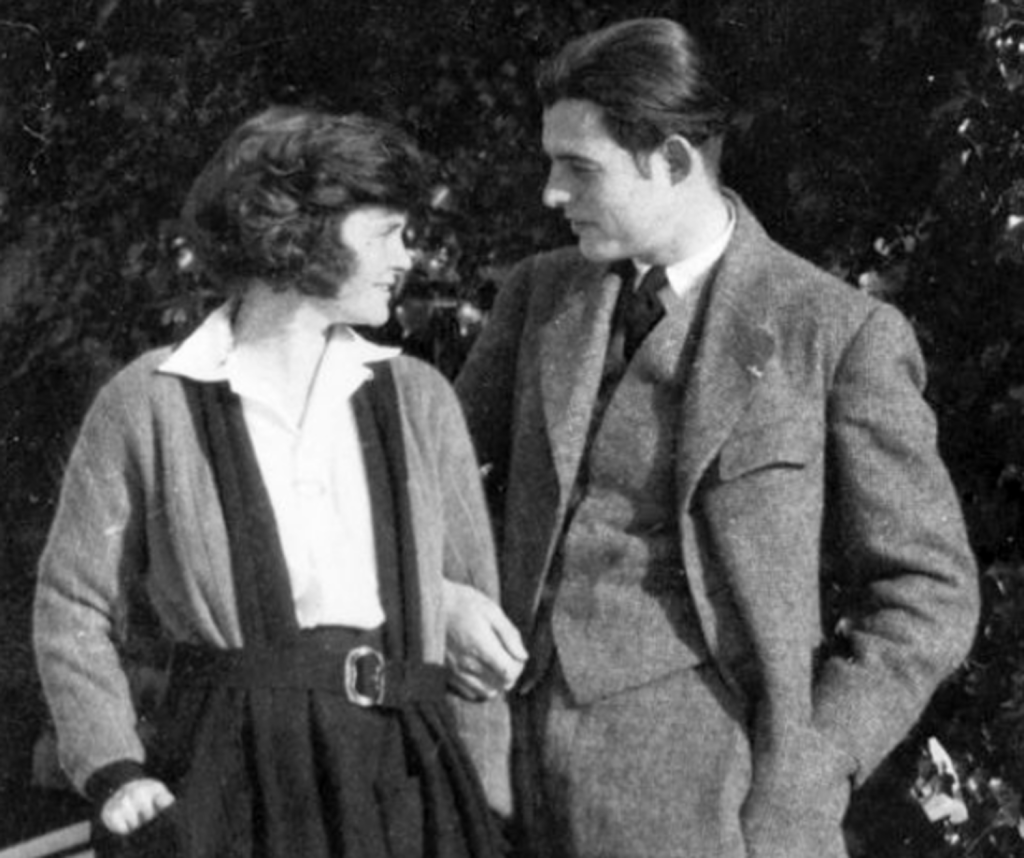
I was skeptical of reading Ernest Hemingway’s A Movable Feast but found myself thoroughly enjoying this work of nonfiction. Cal Wilkerson gifted it to me about two years ago, it sat unread for on my shelf until I was able to go on vacation. It is an intimate picture of a young Ernest Hemingway living in Paris with his then wife Hadley Richarson as they struggled financially but arguably flourished socially. The romantic backdrop of Paris in the 1920s produced more emotions from me personally than I expected. Usually I am reading intense works of history and philosophy which are more serious or direct. Overall, this work of Hemingway is a fantastic read for anyone.
Paris in the 1920s sounded like such a picturesque place with cafés scattered around, the Luxembourg Garden, wine by the bottle, various writers such as Scott Fitzgerald making it their home at the time and the historical buildings in the backdrop created an ecosphere of creativity for the young Mr. Hemingway. Early on one passage that gave me a sense of place physically and mentally for Ernest Hemingway was when he spent some time at a café on the Place St.-Michel, “It was a pleasant café, warm and clean and friendly, and I hung up my old waterproof on the coat rack to dry and put my worn and leathered felt hat on the rack above the bench and ordered a café au lait… I had already seen the end of fall come through boyhood, youth and young manhood, and in one place you could write about it better than in another.” I also as I read that passage was contemplating the passing of “young manhood” as a draw close to the end of my own roaring twenties if you will.
Hemingway also seemed to care deeply of his wife, Hadley at the time. It saddened me to know that their relationship ultimately wouldn’t last but I am sure that old Hemingway reflected on this time in Paris fondly with her. Perhaps one of his most famous quotes that has been commercialized by Hallmark Cards was when he reflected on a pleasant evening with her, “Below Les Avants there was a chalet where the pension was wonderful and where we would be together and have our books and at night be warm in bed together with the windows open and the stars bright. That was where we could go.” Simple but beautiful idea, maybe a little romantic too.
As a young journalist and author, money was a constant concern. As a salesman I definately empathize with a young man trying to keep things afloat financially. He writes, “I would stand and look out over the roofs of Paris and think, ‘Do not worry. You have always written before and you will write now. All you have to do is write one true sentence. Write the truest sentence that you know.'” Additionally he writes about their fight against poverty, “It was all part of the fight against poverty that you never win except by not spending.” Oddly enough he loved to gamble on horse races primarily with the idea of doubling his money but I imagine the lifetime average balanced out but he seemed to make out beating the house in Paris decently well.
My favorite part of the book was Hemingway and Fitzgerald’s trip from Lyon to Paris in Fitzgerald’s car. They took a train to Lyon then road tripped back to Paris. During the trip, Hemingway writes about the borderline toxic relationship between Zelda and Scott. Scott was tortured by Zelda and also seemed to be a bit of a hypochondriac, convinced he had pneumonia after they were caught in the cold rain. Hemingway writes of Fitzgerald, “You could not be angry with Scott any more than you could be angry with someone who was crazy, but I was getting angry with myself for having become involved in the whole silliness. He did have a point though, and I knew it very well. Most drunkards in those days died of pneumonia, a disease which has now been almost eliminated.” I would have given a lot to join them on their trip of constant eating, drinking and touring France though.
In conclusion, A Movable Feast is a different book as it is somewhat of an anthology of his time in Paris but it is pieced together nicely. I am sure if I ever visit Paris that I would like to go to some of the areas he writes about but like anything it is an account of specific place in time that we can only travel to in the pages of this work. Hemingway is in a lot of ways our Patron Saint of this site. The quote about him inspired the name of our site (“He was brainy and brawny”) and his ethos of manliness, adventure and passion also has been an example to us. Although he is not perfect clearly, he did attempt to squeeze the most out of this life. I would encourage all to dive into this book with an open mind and travel back to Paris with the young Ernest Hemingway, with the world in front of him.
 Brains and Brawn