
Meditations by Marcus Aurelius is a book I keep coming back to ever since I first read it. This book contains the private reflections of fascinating emperor. Stoic philosophy is like black coffee for the soul or at least to me it is. There are a lot of myths that surround Marcus Aurelius but this book is the real man in writing. I only paid a dollar for my copy of this book which is laughable compared to the amount of wisdom I gained from it. Meditations contains twelve books each one covering a different theme of his philosophy on life. Self-help books flood the markets today but this stoic work is the cornerstone of true self betterment. The opening of Meditations, Aurelius lays out what he learned from his family members, “From my grandfather Verus I learned good morals and the government of my temper. From the reputation and remembrance of my father, modesty and a manly character. From my mother, piety and beneficence, and abstinence, not only from evil deeds, but even from evil thoughts.” Taking time to think back on how others have helped shape you is a great practice or even writing letters to your loved ones specifically thanking them for the lessons you learned from them. Book two is filled with stoic proverbs that should be memorized. Knowing that death is ever present, Aurelius writes, “Since it is possible that you might depart from life this very moment, regulate every act and thought accordingly.” This must be applied to every aspect of life if taken to its’ fullest meaning. Meditations is a book written by a man that knew his time was limited not even being emperor of Rome could save someone from death. He writes, “Even if you were going to live three thousand years, and even ten thousand times that, still remember that no man loses any other life than this which he now lives, nor lives any other than this which he now loses.” One of my favorite quotes from the entire book comes in book three, “If you apply yourself to the task before you, following right reason seriously, vigorously, calmly, without allowing anything else to distract you, but keeping your divine part pure, as if you might be bound to give it back immediately; if you hold to this, expecting nothing, fearing nothing, but satisfied with your present activities according to nature, and with heroic truth in every word and sound which you utter, you will live happily. And there is no man who is able to prevent this.” Marcus Aurelius saw the immense value in taking care of himself mentally. In book four he starts it off with, “For there is no retreat that is quieter or freer from trouble than a man’s own soul…tranquility is nothing else than the good ordering of the mind.” The older I get the more I realize the mental relaxation is harder to come by. I have implemented a time in my day to spend in guided meditation and it is a relaxing retreat from our connected world. I find that his philosophical systematic approach to the different aspects of the human experience to be some of the refreshing words in print. On mornings I have trouble getting up to work out or just in general these words come to my mind even if I try to resist, “In the morning, when you rise unwillingly, let this thought be present: I am rising to the work of a human being. Why then am I dissatisfied if I am going to do the things for which I exist and for which I was brought into the world? Or have I been made for this, to lie under the blankets and keep myself warm? But this is more pleasant. Do you exist then to take your pleasure, and not at all for action or exertion?” In life hopefully we will all experience success but even the mighty emperor knows that these are passing enjoyments, “Short-lived are both the praiser and the praised, and the rememberer and the remembered: and all this in a nook of this part of the world; and not even here do all agree, no, not any one with himself: and the whole earth, too, is a point.” I admire Marcus Aurelius a great deal, I find a lot of respite in his words from hundreds of years ago. He has helped shape my own personal philosophy by giving me a stoic link on the chain to the anchor of my soul. This book is a great introduction to stoic philosophy and far better than the newest self-help book being published today.
Written by Michael McPhail
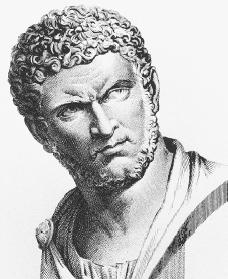
Emperor Marcus Aurelius Antoninus
 Brains and Brawn